
Student Services
Student Services
Social and Emotional Learning
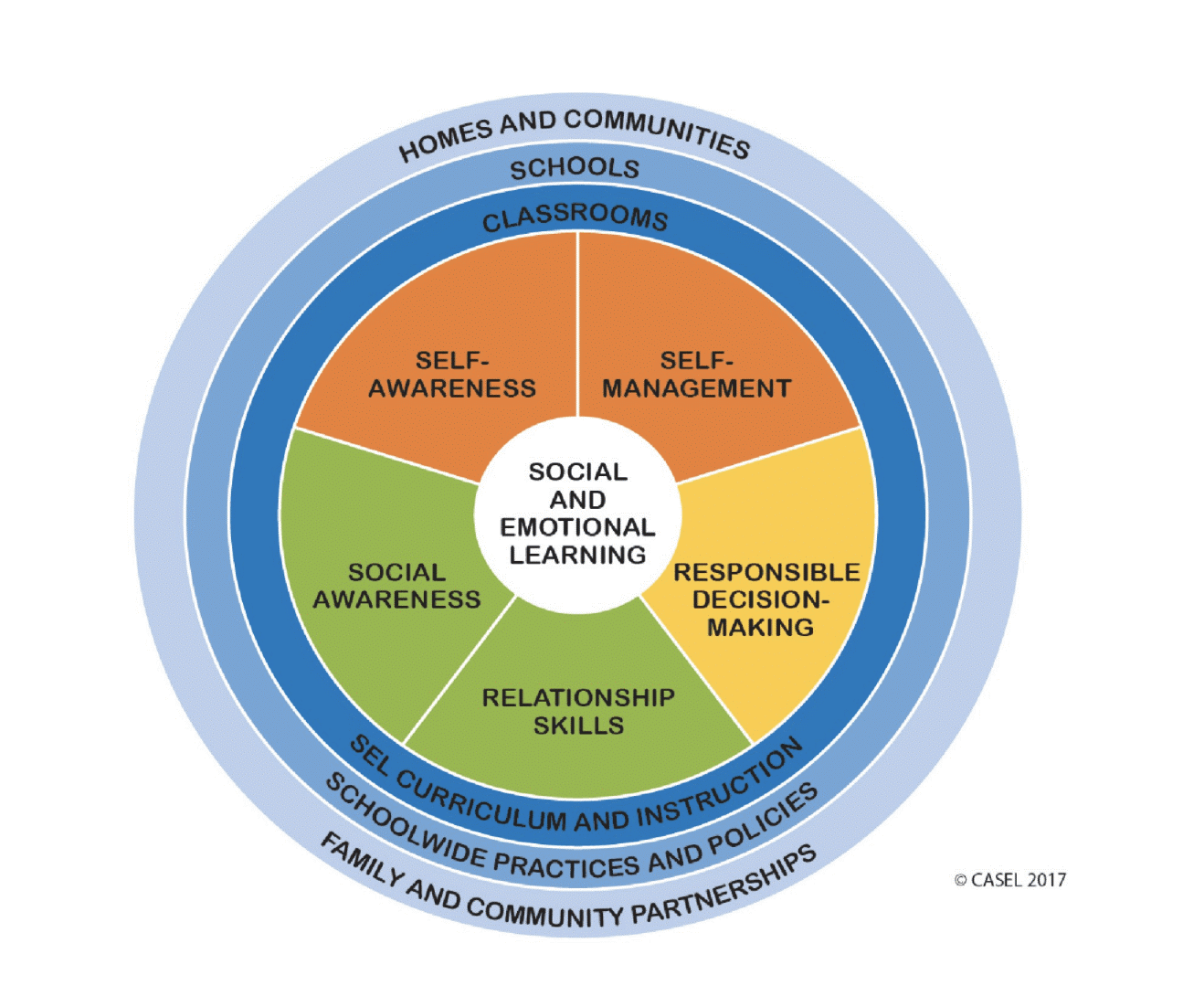
Fairfield City School District has taken significant steps in the past several years to expand student services to help us educate and support the needs of the whole child. We have added school counselors to serve in our elementary schools and we partnered with Primary Health Solutions to provide medical, dental, and vision services at our School-Based Health Center.
We also partnered with NewPaths and Catalyst Counseling to provide our students with school-based counseling and created a Bullying and Harassment Officer position to support students across the district. In addition to our work in Fairfield, the Ohio Department of Education and Workforce (DEW) created Social and Emotional Learning Standards to be implemented in Ohio Schools. We are excited about these standards and are proud to see the work being done in Fairfield correspond with the vision of DEW.
An additional step we are taking this year is to assess our students in their social and emotional learning. We use a self-created student wellness survey given to grades 3-5.
We utilize this data on a school-wide basis to implement targeted lessons and strategies that will improve our building’s social-emotional competencies. We will also share individual results with parents and students so growth opportunities can be identified and developed at home. The purpose of this tool is similar to the assessments given in our academic core curriculum. We want to empower our students to grow both socially and academically, and we believe this additional feedback will help grow the whole child and put them on a path of continued success.
Social and Emotional Learning State Standards 2025-2026 PreventionFIRST
Building a Supportive and Caring School Culture
Student Success and Wellness
Student Wellness and Success Funding Plan
FCSD has been an appreciative recipient of Student Wellness and Success Funds for many years. We are proud of the various supports that this state-funded initiative has provided our students and equally proud to continue along this path of working with the whole child. New this year, we must post a plan of how we will spend these funds.
We recognize the importance of building a positive school environment and have programs in each building that help in this effort. From programs to speakers, we have immersed ourselves in recognizing the positive behavior of others and creating a culture that promotes respect, responsibility, and problem-solving at every level.
Positive Behavior Interventions and Supports (PBIS): Each building has a PBIS committee dedicated to implementing a system of supports for students that help teach common behavioral expectations, and promote positive behavior within the building. Parents may recognize these systems of positive support in the form of "Bus Bucks", Student of the Month, or the Wall of Fame. Each building may have different terms and programs to recognize and support students in making good choices, but the themes of being respectful, being responsible, and being a problem solve are universal across the district.
FAIRFIELD CITY SCHOOLS
HOPE Squad is a school-based, peer-to-peer, suicide prevention program that emphasizes suicide prevention fundamentals, self-care and anti-bullying. The purpose of a HOPE Squad is to improve access and availability to appropriate prevention services for youth who are at risk for suicide. The HOPE Squad Program functions as a peer support team with the goal of providing kindness, encouragement, and support for students in our school who may be struggling.
HOPE Squad members were nominated by their peers as someone who displays naturally good listening skills and to whom students would go to if they needed help during difficult times. Hope Squad Members will be trained to refer peers to a trusted adult for help. They are not asked to act as a counselor. They will be trained to recognize the warning signs and empowered to report those signs to an adult.
What is Hope Squad: What is Hope Squad? - YouTube
Advisors for Hope Squad are:
Crossroads Middle School
- Melissa Turner
- Joel Willison
Creekside Middle School
- Holly Stout
- Amberly Minton
Fairfield Freshman School
- Taryn LaPrath
- Leonor Campos
Fairfield Senior High
- Cortlynn VanBenschoten
- Heather Packo
Fairfield City Schools Hope Squad Coordinator: Shannon Cupp, cupp_s@fairfieldcityschools.com
RESOURCES
911
Nearest Emergency Room:
-
Children’s Liberty Center (513) 636-4293
-
Children’s Main ER (513) 636-4200
-
UC West Chester ER (513) 298-3000
Crisis Hotlines
1-800-273-TALK (8255) Veterans Press 1
Text 838255
1-800-SUICIDE (784-2433)
Crisis Text Line-Text CONNECT to 741741
Community Crisis Lines
Clermont County 513-528-SAVE (7283)
Hamilton County 513-281-CARE (2273)
Hamilton County Psychiatric Emergency Services 513-584-8577
Warren County 877-695-NEED (6333)
Butler County 1-877-4Crisis (427-4747) call or text
Brown and Adams County 211
Psychiatric Intake Response Center for Children/ Adolescents PIRC (513) 636-4124
United Way 211 or 513-721-7900
Survivors After Suicide
Union Township Civic Center
513-721-2910
Grief Support
Fernside Center 513-246-9140
Survivors After Suicide
Mercy Franciscan Terrace
513-923-4375
Suicide Survivors Support Group
St. Maximillian Kolbe Parish
513-870-9108
Christian Survivors of Suicide
First Church of Christ-Burlington
Larry McNabb, csos@firstchurch.me
Karen Fisher, church contact: 859-586-4673
Companions on a Journey Website
INFORMATION
AND RESOURCES
FAIRFIELD CITY SCHOOLS:
Student Success and Wellness Plan 2025-2026
- Identify Critical Needs:
- Mental and Physical Health
- Help families overcome non-cognitive barriers so that children can be successful in school
- Research and Select Evidence-Based Programs
- Butler County ESC – Success Program
- The goal of the Success Program is to help families overcome non-cognitive barriers so that children can be successful in school. Success Liaisons are assigned to specific school district buildings and help struggling students and families access resources to meet their needs. Common examples are food, clothing, housing, medical and dental treatment, navigation of public benefits, mental health treatment, and school supplies; however, liaisons attempt to meet any need that a family may have.
- Liaisons also support parents in an educational setting by facilitating school meetings and communication between families and staff. The Success Program collaborates with many community partners, which further supports families with access to increased resources
- School-Based Social Workers
- The goal of school-based support workers is to promote the academic, emotional, and social well-being of students by addressing barriers that may interfere with their success in school. They work to create a safe and supportive learning environment by collaborating with teachers, administrators, families, and outside agencies. Their focus is often on helping students overcome challenges related to attendance, behavior, mental health, and family circumstances, ensuring every student has equal access to educational opportunities.
- School-based support workers perform a wide range of tasks, depending on the needs of the students and the school community. They may provide one-on-one or group counseling, connect families with community resources, support crisis interventions, or assist with behavior management plans. They also help identify students at risk, monitor progress, and advocate for services or accommodations. Ultimately, their work helps to build a stronger connection between home, school, and the broader community to support student growth and achievement.
- Butler County ESC – Success Program
- Elementary School Counselors
- The goal of elementary school counselors is to support the healthy development of young students by fostering their academic, social, emotional, and behavioral growth. Counselors aim to create a safe and inclusive environment where all students feel valued and empowered to succeed. They work proactively to teach essential life skills such as empathy, self-awareness, problem-solving, and decision-making, while also helping students build positive relationships and develop resilience.
- Elementary school counselors serve in a variety of roles to meet the diverse needs of students. They provide individual and small-group counseling, deliver classroom lessons on topics like bullying prevention and emotional regulation, and assist with conflict resolution. Counselors also collaborate closely with teachers, administrators, and families to identify students who may need additional support, such as those experiencing trauma, academic struggles, or social challenges. Their work ensures that children receive early intervention and guidance, setting a strong foundation for success in school and beyond.
- Licensed School Nurses
- The goal of a school nurse is to support student health and wellness so that children are physically and emotionally ready to learn. By managing chronic conditions, responding to illnesses and injuries, and promoting healthy habits, school nurses help reduce barriers to education caused by health-related issues. Their work plays a vital role in creating a safe school environment and improving student attendance, performance, and overall well-being.
- School nurses perform a wide range of duties, including administering medications, providing first aid, managing medical emergencies, and conducting health screenings such as vision and hearing tests. They also develop care plans for students with chronic conditions like asthma or diabetes, educate students and staff on health-related topics, and monitor for signs of contagious illnesses. In addition, school nurses collaborate with families, healthcare providers, and school staff to ensure students receive the care and support they need during the school day.
- Fairfield Academy
- Fairfield Academy, serving grades 9–12, functions as an alternative learning center within the Fairfield City Schools district. Established in 2014 in a separate facility on Donald Road, it was created to support students who thrive in a smaller, more personalized education. The Academy combines a blended learning model—mixing online, individual, small-group, and whole-class instruction—within classrooms capped at around 15 students, giving learners more control over pace and style of study. This setup fosters stronger relationships with teachers and peers, reduced distractions, and more tailored academic support than a traditional high school environment offers.
- How the Funds Are Used:
- To fulfill the plan requirements, Fairfield City Schools has identified Catalyst Counseling as our mental health prevention and/or treatment provider and the Butler County ESC as our other community provider.
- Catalyst Counseling provides the district with School Based Support Workers which are trained and licensed mental health specialist. These SBSW’s work directly with students in the building each and every day.
- Butler County ESC: Fairfield City Schools work with the ESC and their Success Program to remove non-cognitive barriers to learning by building bridges between home, school, and community to improve school success and self-reliance. Students and their families are identified through staff referrals and self-help.